
Why Saying It Clearly Isn't the Same as Being Understood
You said it clearly. You're certain of that. So why are people still confused?
1. The Moment
You've just finished explaining the project timeline to your team. You walked through each phase, the dependencies, the deadlines. You asked if there were questions. A few people nodded. Someone asked about the budget. You clarified. The meeting ended.
Two weeks later, you discover that half the team was working to a different deadline. When you ask what happened, you get variations of the same answer:
- "I thought you meant..."
- "I assumed that..."
- "It wasn't clear whether..."
You're frustrated. You said it clearly. You asked if there were questions. What else were you supposed to do?
This is the communication problem that no amount of clarity seems to solve. You're speaking. People are listening. And somehow, the message still isn't landing.
2. What's Really Happening
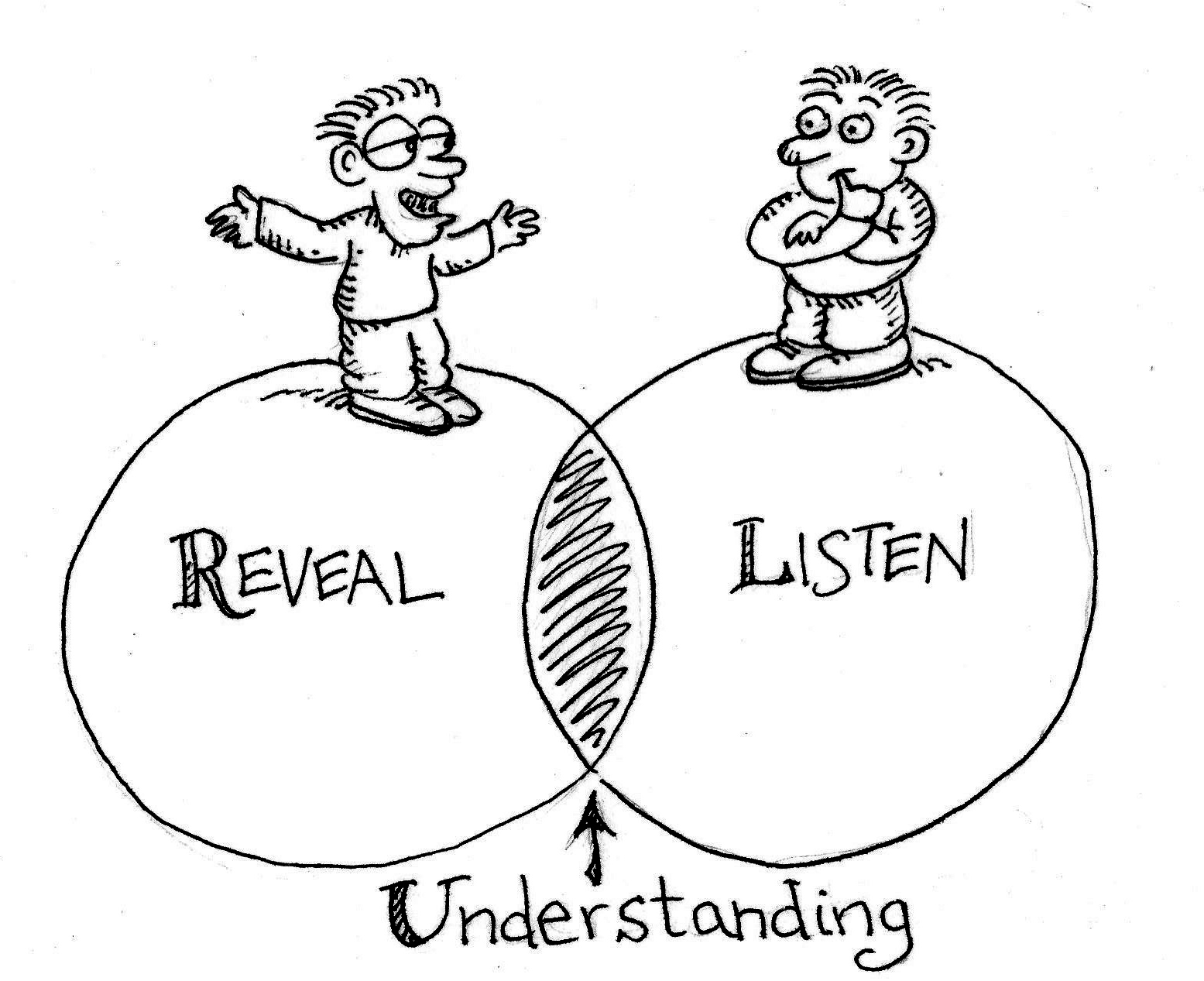
Here's what most leaders miss: clarity is not a property of what you say. It's a property of what the other person understands.
You can be perfectly clear in your own head. You can use precise language. You can structure your message logically. And none of that guarantees understanding, because understanding happens in the listener's brain, not yours.
The problem is that you already know what you mean. You have context the other person doesn't have. You've been thinking about this for days or weeks. You know which details matter and which don't. You know what you're worried about and what you're confident about.
The person listening doesn't have any of that. They're hearing your words and trying to reconstruct your meaning from scratch, filling in gaps with their own assumptions, their own context, their own concerns.
When you say "as soon as possible," you might mean Thursday. They might hear "when I get to it."
When you say "keep me informed," you might mean daily updates. They might hear "let me know if something goes wrong."
When you say "this is a priority," you might mean "drop everything else." They might hear "this is important, along with the other five priorities I mentioned this month."
The gap between what you said and what they heard isn't a failure of listening. It's a failure of assumption, on both sides.
3. The Common Move (and Why It Fails)
When leaders discover they've been misunderstood, they usually do one of two things.
They repeat themselves, more slowly.
"Let me say this again. The deadline is Friday. Friday. Not next week. This Friday."
This feels satisfying. You're being emphatic. Surely now they understand.
Except repetition doesn't close the gap between your meaning and their understanding. It just makes the same unclear thing louder. If the problem was that they didn't hear you, repetition helps. If the problem was that they heard you and interpreted it differently, you've just repeated the misunderstanding with more volume.
Or they add more detail.
You explain the timeline again, this time with more specifics. You cover every contingency. You anticipate every question. You send a follow-up email with bullet points.
This can help. But it can also backfire. More information isn't the same as clearer information.
Sometimes adding detail just gives people more material to misinterpret. They focus on the wrong bullet point. They remember the exception instead of the rule. They get lost in the specifics and miss the main message.
Neither move addresses the actual problem: you don't know what they understood, and they don't know what you meant.
4. A Different Choice
Real clarity doesn't come from better explaining. It comes from better checking.
Instead of asking "Does that make sense?" (which almost always gets a yes, regardless of whether it makes sense), try asking questions that reveal understanding:
- "What's your first step going to be?"
- "What do you see as the biggest risk here?"
- "If someone asked you what the deadline is, what would you tell them?"
These questions don't test whether people were listening. They reveal what people actually understood. And when there's a gap, you find out now, not two weeks later.
This feels awkward at first. It can feel like you're quizzing people, or like you don't trust them. But the alternative is worse: assuming alignment that doesn't exist, then dealing with the fallout when reality doesn't match expectations.
The other move that helps is naming your assumptions explicitly:
- "I'm assuming you'll prioritise this over the other project. Is that realistic?"
- "When I say 'keep me informed,' I mean a quick update every day, even if there's nothing new. Does that work?"
- "I know Friday is tight. If something comes up that makes that impossible, I need to know by Wednesday so we can adjust."
You're not explaining more. You're surfacing the assumptions that would otherwise stay hidden until they cause problems.
5. Practice Prompt
In your next conversation where you're setting expectations, try this:
After you've explained what you need, don't ask "Does that make sense?" or "Any questions?"
Instead, ask:
"Can you tell me back what you're taking away from this?"
Then listen. Not to check if they got it "right." To discover what they actually heard.
You'll learn something. Maybe they understood perfectly. Maybe they missed something crucial. Maybe they understood something you didn't intend to communicate at all.
Either way, now you know. And knowing lets you close the gap before it becomes a problem.
Try it once this week. Then notice: what changes when you check for understanding instead of assuming it?
Like this approach? This article is based on the framework from my #1 bestselling book, Leadership Cannot Be Automated, available on Amazon.
Tanya Davis is the founder of PELMO International and author of the #1 bestselling book Leadership Cannot Be Automated. She works with organisations across 50+ countries to diagnose and fix leadership and communication breakdowns.
Ready to Showcase Your Training Expertise?
Join our marketplace and connect with organizations actively seeking training solutions. Showcase your expertise and grow your training business with qualified leads.